
Natural Dye from Flowers: A Dye Garden Plant List
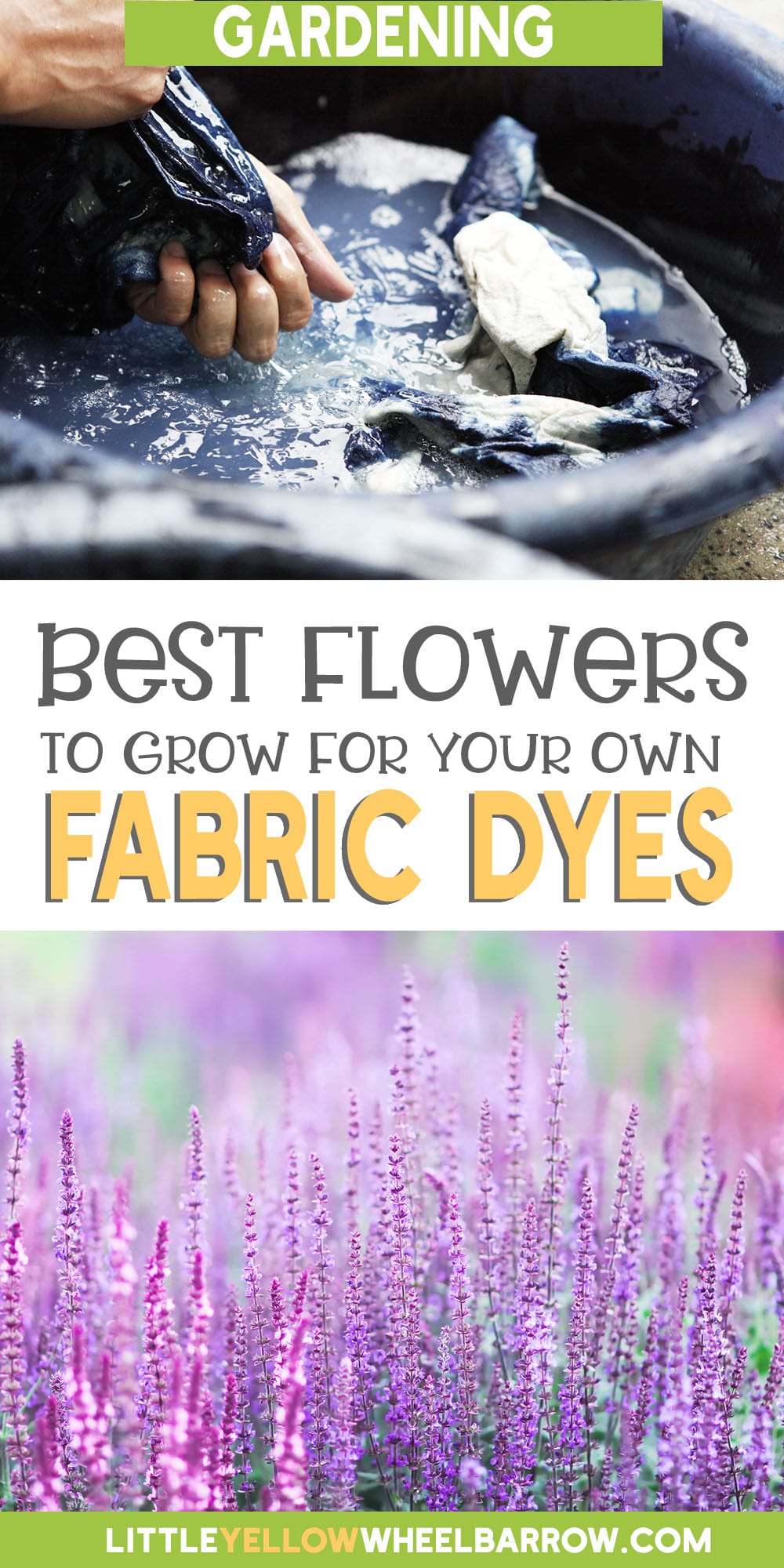
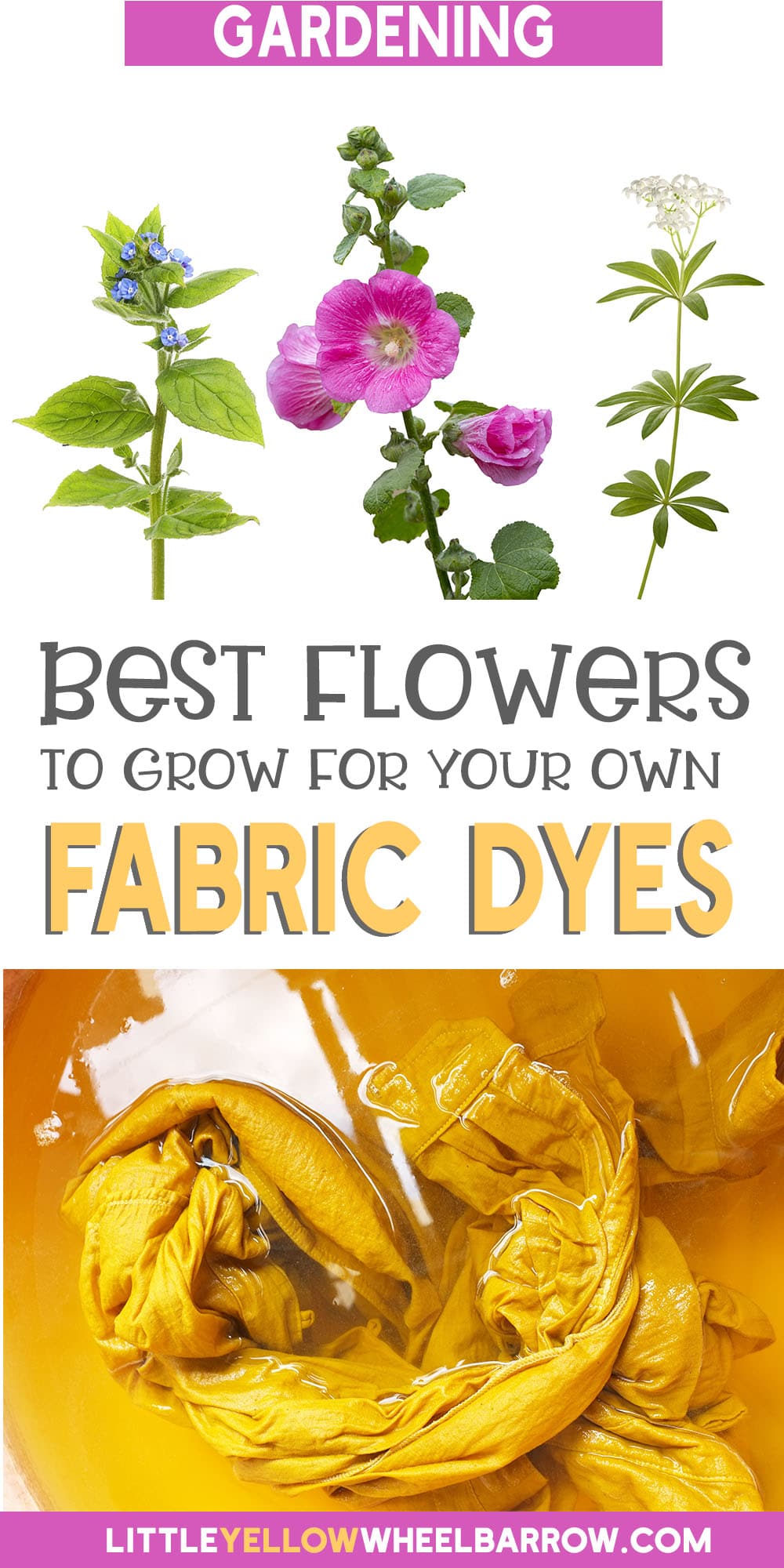

If you want to use natural dyes in your projects and on your fabrics, you need… dye! One of the best ways to attain natural dyes is dye from flowers. Grow your own plant dyes right in your own garden with this dye garden plant list.
If you’re dipping your toe into natural dyeing and enjoying it (it’s fascinating, right?), then it’s time to dip your whole foot in by growing your own dye garden. And if you’re already a gardener, well, half the battle is already eliminated because all you’ll need to do is add a few dye plants to your established garden.
Note: You can use many different plants from flowers to trees and herbs to fruits and vegetables for natural dye. Today, I’m simply focusing on flowering plants you can grow to get dye from flowers.
Natural dyeing is a fun and rewarding activity that yields some amazing and unique results. I’m diving in and showing you the different aspects of natural dyeing to help make your learning curve a lot smaller than mine was! You can also check out this post on how to use natural dyes to dye fabrics safely.

Gardening to Get Dye from Flowers
When it comes to growing a dye garden, the good news is that you don’t need to create a separate garden to grow your dye plants. Instead, you can simply incorporate them into any existing beds or borders you already have.
In fact, if you love growing plants, you likely already have a few dye plants growing!
Of course, growing plants is just the first step of natural dyeing. If you want to dye your fabrics and yarns naturally, you’ll need to learn about mordanting in order to make your dye stick to your fiber permanently.
Storing Plant Dyes
With a flower garden, just as with a vegetable or fruit garden, you likely won’t gather enough material all at one time to use for your project, so you’ll need to store it until you do.
Once you have gathered enough material to fill your dye bath, then you can begin dyeing. To save your material until you have enough, preserve flowers in the freezer.
Dye Garden Plant List
Use this list (broken down by color categories) to help you pick and choose which flowers you want in your dye garden.
Yellow Plant Dyes
These flowers are best for getting those beautiful yellow colors. Since natural dyes can vary quite a bit, you may get anything from tan to pale yellow to orange in this group. Even green (depending on the plant part used – or by mixing with blue!)
I’ll be a little more specific with regard to each plant listed.

Yarrow
Yarrow is a flowering perennial in the aster family with bright yellow flowers, native to the northern hemisphere. It is drought tolerant, deer resistant, and looks lovely planted in full sun perennial beds or borders. Yarrow will also bloom all summer long.
- Botanical Name: Achillea millefolium
- Type of Plant: Perennial
- Flower Color: Yellow, white, pink, red, orange
- Bloom Time: Spring-fall
- Plant Part to Use: Leaves and stems
- Best Mordant to Use: Alum
- Dye Color: Yellow
Learn More: For more information see our complete guide on growing yarrow.

Bloodroot
Bloodroot is a perennial flowering herb that’s native to eastern North America. Some natural dyes can turn different colors depending on which mordant you use. Bloodroot is one of them.
With no mordant, bloodroot gives a lovely orange color. However, with alum, it gives a rust color, and with tin, it gives a reddish-pink color.
- Botanical Name: Sanguinaria canadensis
- Type of Plant: Perennial
- Flower Color: White
- Bloom Time: Spring
- Plant Part to Use: Roots
- Mordant to Use: None, alum, or tin
- Dye Color: Varies based on which mordant you use

Black-Eyed Susan
Black-Eyed Susans are wildflowers in the aster family native to North America. Using the leaves and stems, you get a yellow or orange dye. However, using the flowers gives an olive green dye.
- Botanical Name: Rudbeckia hirta
- Type of Plant: Perennial
- Flower Color: Gold
- Bloom Time: June-October
- Plant Part to Use: Leaves and stems (for gold or orange); flowers (for olive green)
- Mordant to Use: Alum
- Dye Color: Depends on the part of the plant you use (see above)
Learn More: See our guide on how to grow Rudbeckia from seed to flower.

Dyer’s Coreopsis
Dyer’s Coreopsis is also in the Aster family and can be used for plant dyes. It’s an annual that’s native to North America and can grow just about anywhere with full sun, even in poor soil.
- Botanical Name: Coreopsis tinctoria
- Type of Plant: Annual
- Flower Color: Gold, maroon bicolor
- Bloom Time: Midsummer
- Plant Part to Use: Flowers, whole plant
- Mordant to Use: Alum
- Dye Color: Gold, orange, rusty red

Zinnia
Zinnias are annuals that are typically grown for their beautiful flowers to put in flower arrangements.
- Botanical Name: Zinnia elegant
- Type of Plant: Annual
- Flower Color: Red, orange, pinks
- Bloom Time: Summer-frost
- Plant Part to Use: Flowers
- Mordant to Use: Alum
- Dye Color: Beige and tan

Reds
Red plant dyes can vary from light pink to rust to purples. Huge variance, right? Plus, as you may have already noticed, some plants can provide wildly different dye colors depending on which part of the plant you use.

Alkanet
Alkanet is a biennial herb in the borage family noted for its blue flowers and the red dye from its roots.
- Botanical Name: Anchusa offinicinalis
- Type of Plant: Biennial
- Flower Color: Blue
- Bloom Time: Mid-summer
- Plant Part to Use: Roots
- Mordant to Use: None
- Dye Color: Red

Dyer’s Woodruff
Ornamental tiny white flowers with an airy growth habit similar to Baby’s Breath.
- Botanical Name: Asperula tinctoria
- Type of Plant: Perennial
- Flower Color: White
- Bloom Time: Early summer
- Plant Part to Use: Leaves
- Mordant to Use: Alum
- Dye Color: Reds

Hollyhock
A classic garden favorite: this flowering plant is in the mallow family and is native to Europe and Asia. It grows tall with large ruffled flowers that look like they were plucked out of an English cottage garden. The flowers are beacons for hummingbirds!
- Botanical Name: Alcea rosea
- Type of Plant: Perennial
- Flower Color: Dark rose, red, black
- Bloom Time: Summer
- Plant Part to Use: Light-colored flowers (for yellow, gold, or brown), dark-colored flowers (for lilac, purple, pink, and light reds)
- Mordant to Use: Alum
- Dye Color: Depends (see above)
Related: Hollyhocks make our list of top perennials for gorgeous summer blooms.

Blues
Blues can vary quite a bit as well, but not seemingly as much as the yellows or reds do. Here are some common plants to grow for blue dye:
Woad
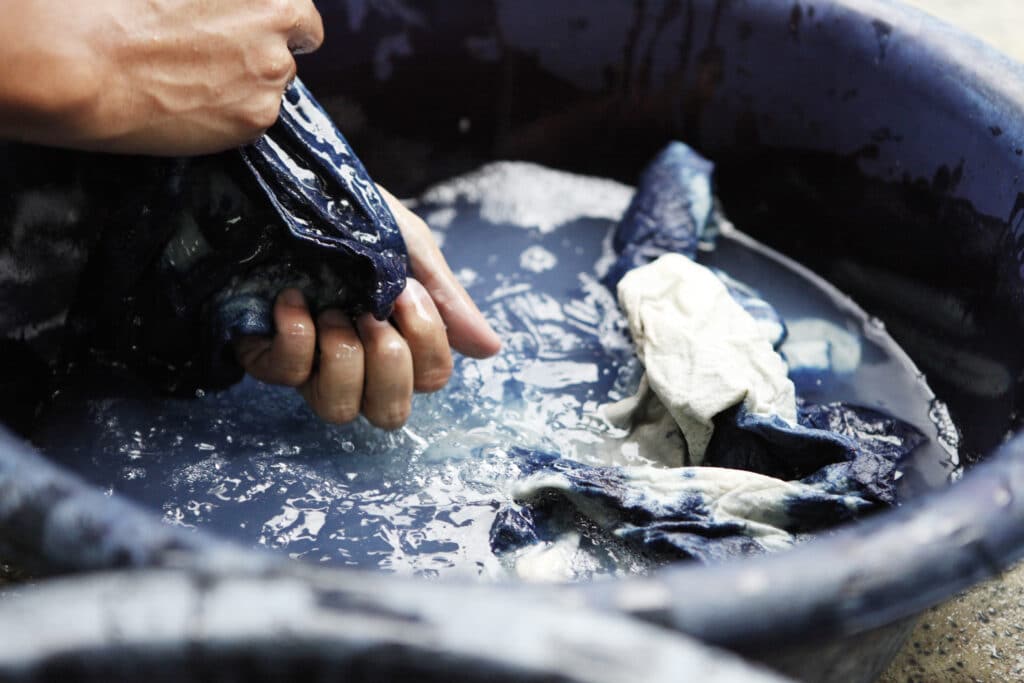
Woad is a flowering plant in the brassica family (think: cauliflower, broccoli) known for its leaves’ blue dye.
- Botanical Name: Isatus tinctoria
- Type of Plant: Biennial
- Flower Color: Yellow
- Bloom Time: Spring
- Plant Part to Use: Leaves
- Mordant to Use: None
- Dye Color: Blue

Indigo
Indigo has been used for centuries for its deep blue dye. A part of the bean family, the plant dyes are found in the leaves. Indigo can grow as an annual in colder climates.
- Botanical Name: Indigofera tinctoria
- Type of Plant: Shrub
- Flower Color: Violet
- Bloom Time: Summer
- Plant Part to Use: Leaves
- Mordant to Use: None
- Dye Color: Indigo (deep) blue

Russian Sage
A hardy, beautiful plant that grows bush-like with spiky clusters of lavender flowers that are so abundant they almost completely obscure the leaves.
Russian sage is a beautiful plant to grow in and around your garden and yard. It makes a wonderful tea, dries and smells, and looks beautiful in bloom. It also makes a beautiful blue fabric dye.
- Botanical Name: Perovskia atriplicifolia
- Type of Plant: Perennial
- Flower Color: Lavender-purple
- Bloom Time: Summer-frost
- Plant Part to Use: Flowers
- Mordant to Use: None
- Dye Color: Blue

Bachelor’s Buttons
These beauties, also known as cornflowers, are easy to grow, can be easily dried, and produce a beautiful blue dye.
- Botanical Name: Centaurea cyanus
- Type of Plant: Annual
- Flower Color: Pink, blue, purple, white
- Bloom Time: Spring-fall
- Plant Part to Use: Flowers
- Mordant to Use: Alum
- Dye Color: Blue
Learn More: Bachelor buttons are one of my absolute favorite flowers to dry. The color is retained very well and the flowers hold up for crafts and decorations. Check out our post on how to best dry flowers if you’re interested.

Natural Dye Plants – Quick Reference Guide
Here’s a handy quick reference for these natural dye plants:
| Plant Name | Dye Color | Plant Parts Used | Recommended Mordants |
|---|---|---|---|
| Yarrow | Yellow | Leaves and stems | Alum |
| Bloodroot | Yellow (depending on mordant) | Roots | Alum, Tin |
| Black-Eyed Susan (Rudbeckia) | Yellow/Orange or green | Leaves and stems (yellow); flowers (green) | Alum |
| Dyer’s Coreopsis | Gold, Orange, Dusty Red | Flowers, whole plant | Alum |
| Zinnia | Beige and tan | Flowers | Alum |
| Alkanet | Red | Roots | None |
| Dyer’s Woodruff | Red | Leaves | Alum |
| Hollyhock | Yellow, Gold, Brown, (light flowers) Lilac, Purple, Pink (dark flowers) | Flowers (dye color will be affected by flower color) | Alum |
| Woad | Blue | Leaves | None |
| Indigo | Indigo | Leaves | None |
| Russian Sage | Blue | Flowers | None |
| Bachelor’s Buttons | Blue | Flowers | Alum |
FAQs
Some of the best flowers for natural dyeing include coreopsis, rudbeckia, and yarrow for yellow tones, alkanet and woodruff for purples and reds, and Japanese indigo for blues. Each flower produces unique shades depending on the mordant used.
Yes, most natural dyes require a mordant to help the color bond to the fabric. Alum is commonly used for bright, clear colors, while iron or copper can modify hues to create richer or darker tones.
The longevity of natural dyes depends on the type of dye, fabric, and mordant used. Some colors, like weld yellow and indigo blue, are highly lightfast, while others, like bee balm pinks, may fade over time with repeated washing and sun exposure.
Natural fibers like cotton, linen, wool, and silk absorb dye best. Synthetic fabrics typically do not hold natural dyes well. Wool and silk tend to absorb color more vibrantly than plant-based fabrics like cotton.
Final Thoughts on Dye from Flowers
This list is not an exhaustive one. Many other plants can be used as natural dye sources, including trees, fruits, vegetables, and more.
However, I think it’s really interesting to see that dye from flowers in your backyard garden can produce quite a rainbow of colors!
Have you tried natural dyeing before? Share your experiences in the comments! And if you found this guide helpful, don’t forget to share it with fellow garden and craft lovers.
More Gardening Inspiration



Author: Laura Kennedy
Writer & Owner of Little Yellow Wheelbarrow
Laura is a highly skilled gardener and fervent flower enthusiast. Despite her playful battle with plant spacing guidelines, Laura’s work inspires gardeners to create thriving, beautiful spaces that reflect both creativity and sustainability.
Editor’s Note: This article was originally published on January 25, 2021. It was updated on December 15, 2024, for better formatting, quick reference, and FAQs.
