
Vegetable Container Gardening: 15 Veggies to Grow in Pots

When one thinks of a vegetable garden, one typically imagines veggies springing out straight from the ground. However, I would argue that vegetable container gardening can offer flexibility and many advantages over your standard in-ground garden. Here’s why you may want to consider container vegetable gardening, as well as which veggies grow best within them.
Affiliate Disclosure
This post may contain affiliate links. If you click one and purchase, I may receive a commission at no additional cost. You can read our disclosure policy here.
The Benefits of Container Vegetable Gardening
There are several reasons why gardening in containers is beneficial and (in some cases) preferable to planting in the ground.
Container vegetable gardening will reduce the threat that critters (pests) and weather can cause while also making it possible to grow your produce in small spaces. Not everyone has (or wants) land, after all.
Urban dwellers may want to grow their own fresh vegetables but not have a yard or garden space to do that.
Beginner gardeners may feel more comfortable tackling pots of herbs or other edibles than entire rows of plants in the ground at first. Those who have terrible soil may find it easier to grow vegetables in pots rather than overhauling and amending their in-ground gardens.
Additionally, gardeners who have physical disabilities often find container gardening for vegetables to be easier for reaching and tending.
Whether you’re interested in urban gardening as a beginner vegetable gardener or prefer it for any other reason, growing vegetables in pots may be the best way to fulfill your needs while allowing you to grow a vegetable garden successfully.
All you need to get started is a patio, balcony, or rooftop with good sun exposure, and some containers. Take a look at these top 15 veggies to grow in pots for your crop this year.

Helpful Hints and Tips for Container Vegetable Gardening
For anyone new to container vegetable gardening, here are a few tips to get you off and running toward a successful growing season.
Now I have a garden, a pretty big one, but I still plant in containers. Usually because by the time planting season is done, I have a few leftover starter plants. I give away all I can, but when no space is left and my friends are in the same boat, I pull out my 5-gallon buckets and make some extra room.
Select The Right Container
One of the most significant differences between gardening in the ground and planting in containers is that the soil in containers dries out faster and needs more frequent watering (perhaps even daily watering) than plants in the ground need.
To help with this challenge, choose the largest container or pot that you can, opting for an outdoor self-watering pot if watering every day is just not optimal for your schedule.
Also, check the depth of your pot, as some vegetables have deeper root systems that won’t grow as well in a shallow pot.
What Kind of Soil Should I Use for Vegetable Container Gardening?
Instead of soil, I recommend using a potting mix made explicitly for vegetables that will resist compaction and retain moisture. You can find this kind of potting mix at any plant or gardening center fairly easily.
Watering Need For Growing Vegetables in Pots
To set your container garden up for success, you need to ensure vegetables have a consistent water supply. Inconsistent watering leads to problems like blossom drop, insect problems, and more. The easiest way to make sure that your plants have a consistent water supply is to plant them in a self-watering planter.
Seriously, these pots are genius. All you have to do is remember to refill the reservoir every few days, and the pot ensures that your plants get a consistent water supply with no effort from you. If that is not an option, you will need to keep a close eye on your planters because they will dry out very quickly.
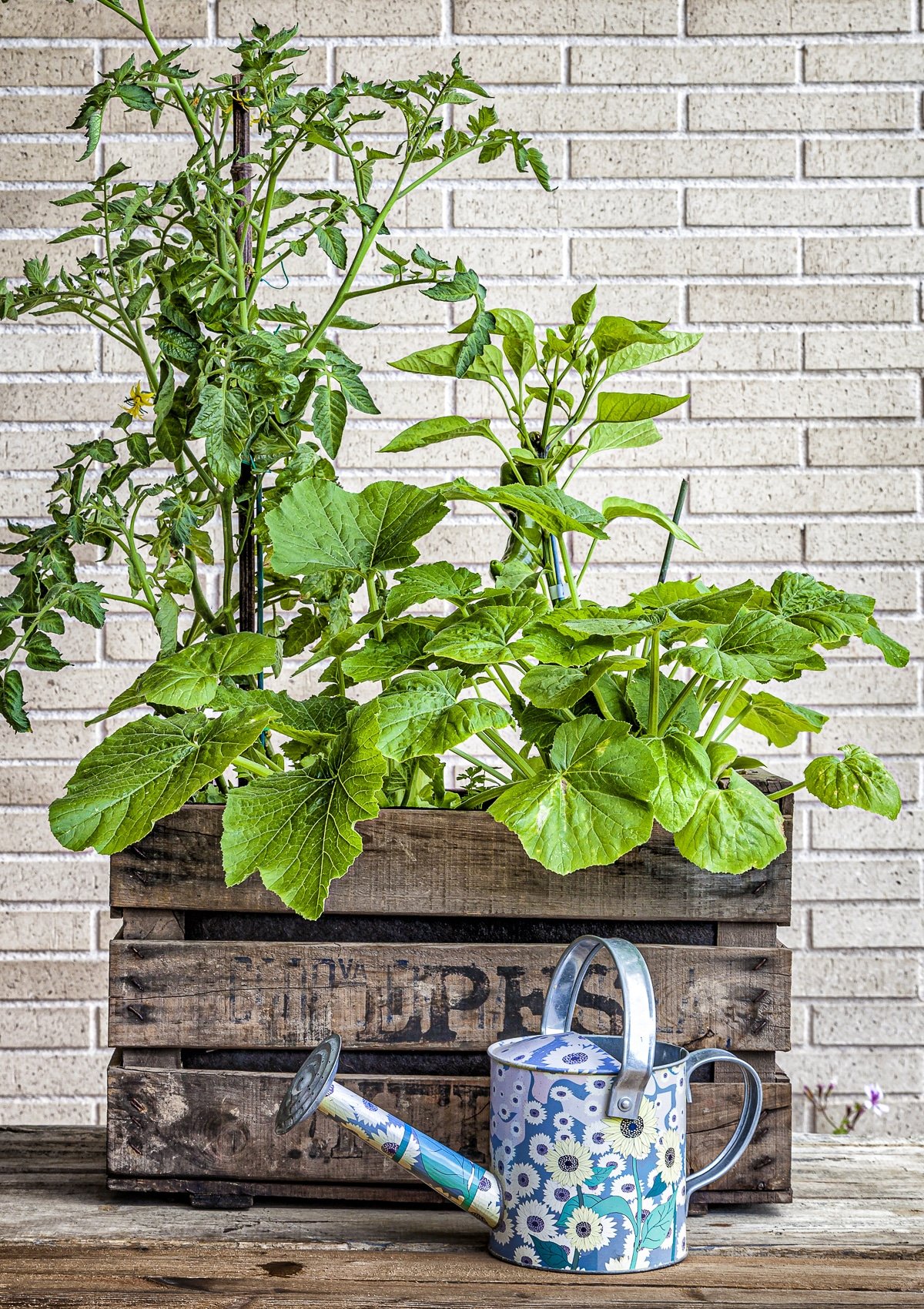
Best Veggies for Vegetable Container Gardening
Growing vegetables in pots can be easy and rewarding! Here is my list of the best vegetables to grow in pots that I have personally had great success growing. I hope you do too!
Asparagus
Asparagus can be expensive to buy! Grow it instead. It doesn’t need a lot of attention and grows well in containers that are wide enough to accommodate the plant as it grows. Bonus: it’s a hardy plant that comes back year after year. If you have to move, you can take your asparagus with you. (we love asparagus)
Light Needs: Full Sun
Water Needs: Don’t let the soil dry out.
Pot Depth: 5-6″ (use a pot more wide than deep)
- Learn More: Check out this post on the best companion plants for asparagus.

Beans
Bean plants grow upward, making them ideal for pots. Just make sure you have a trellis or something that they can climb as they grow.
Light Needs: Full Sun
Water Needs: Don’t let the soil get dry.
Pot Depth: At least 12″

Carrots
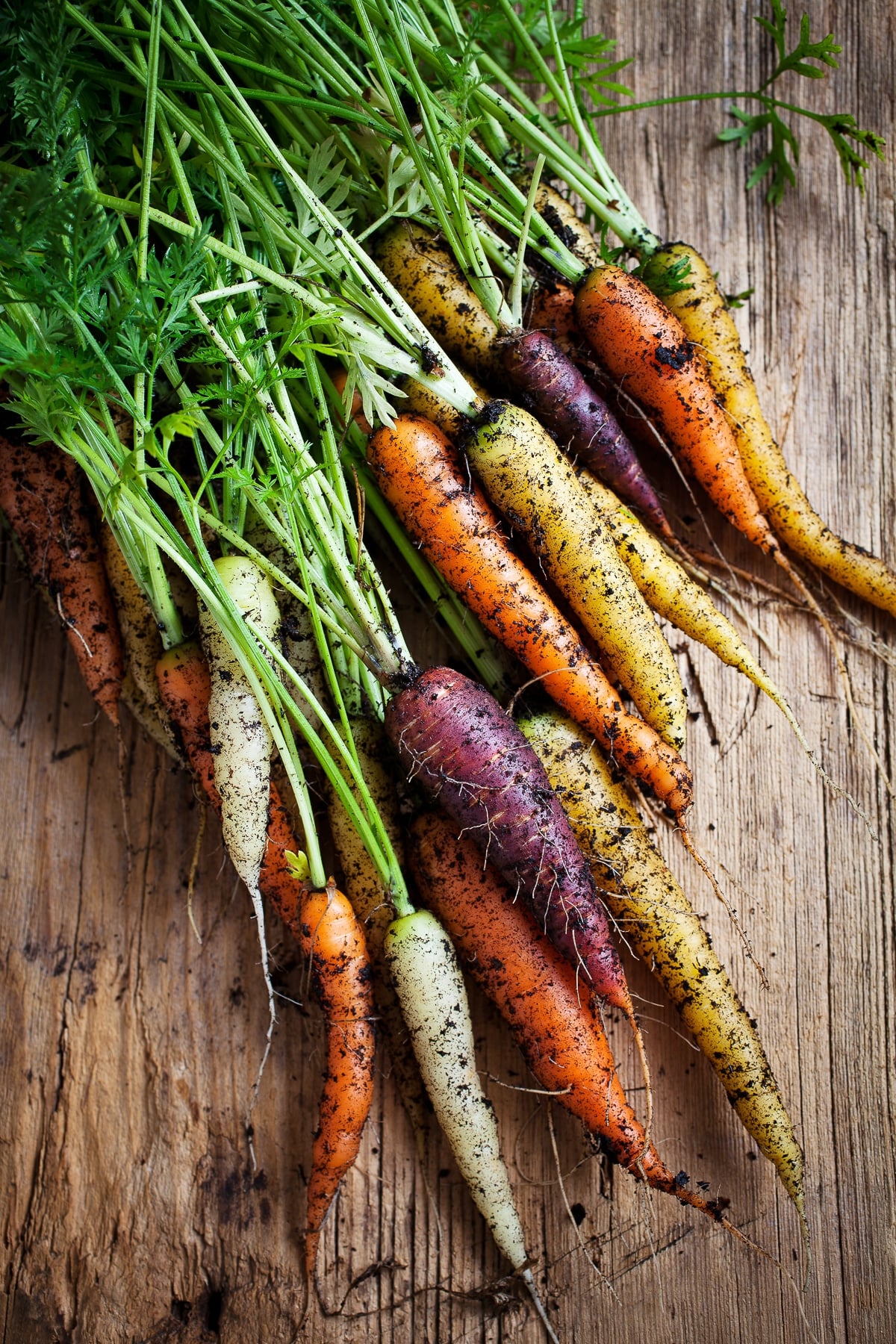
Carrots do grow well in containers and don’t require much space, but without moist soil, their roots will dry out and crack.
Light Needs: Full sun to part shade
Water Needs: Keep the soil slightly moist. Don’t let it dry out, but don’t overwater either.
Pot Depth: 8-9″
Cucumbers
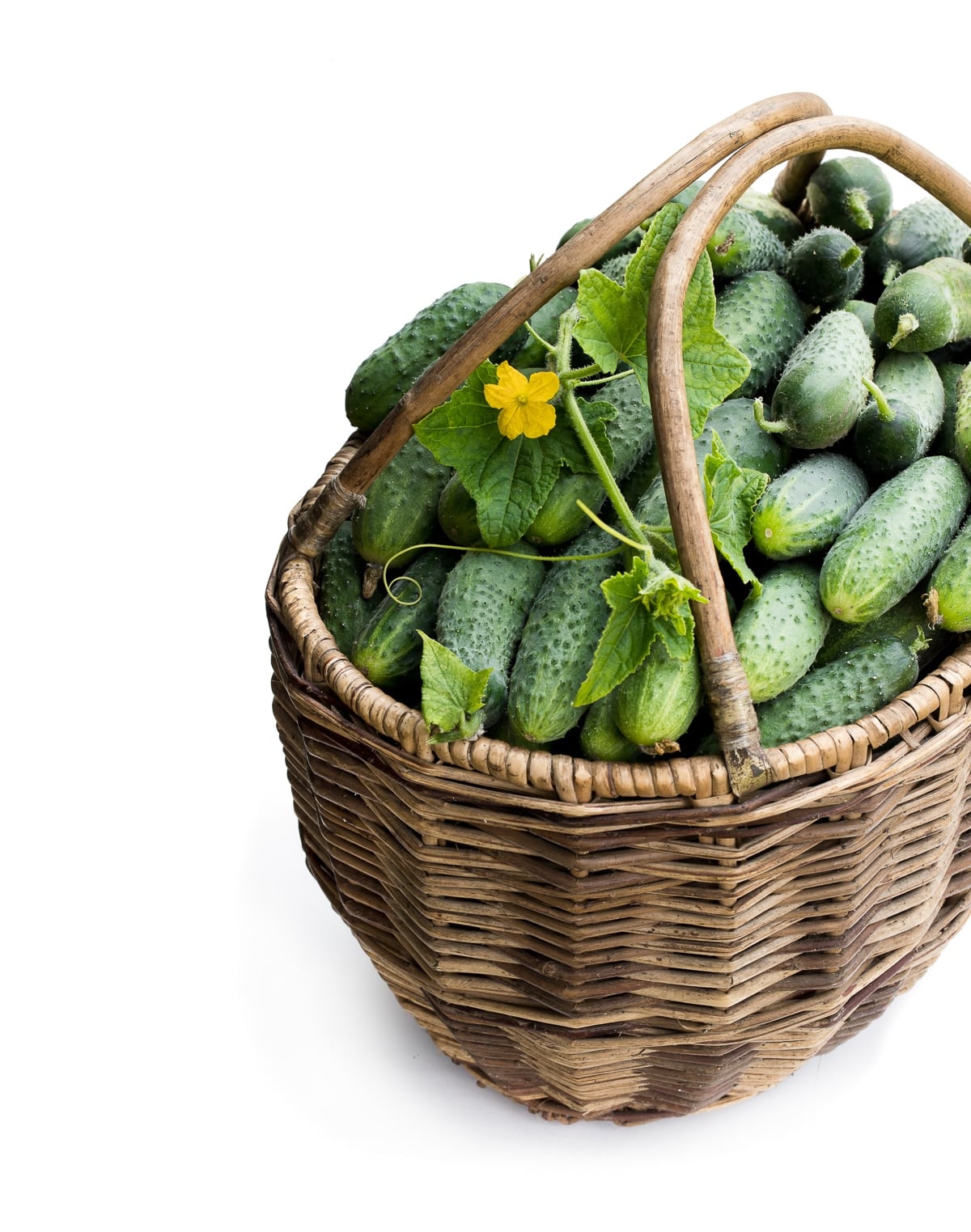
Cucumbers are an easy vegetable to grow in pots. They need full sun, support by way of a trellis or cage, and regular watering to thrive.
Light Needs: Full Sun
Water Needs Water very regularly.
Pot Depth: 8-9″
Eggplant
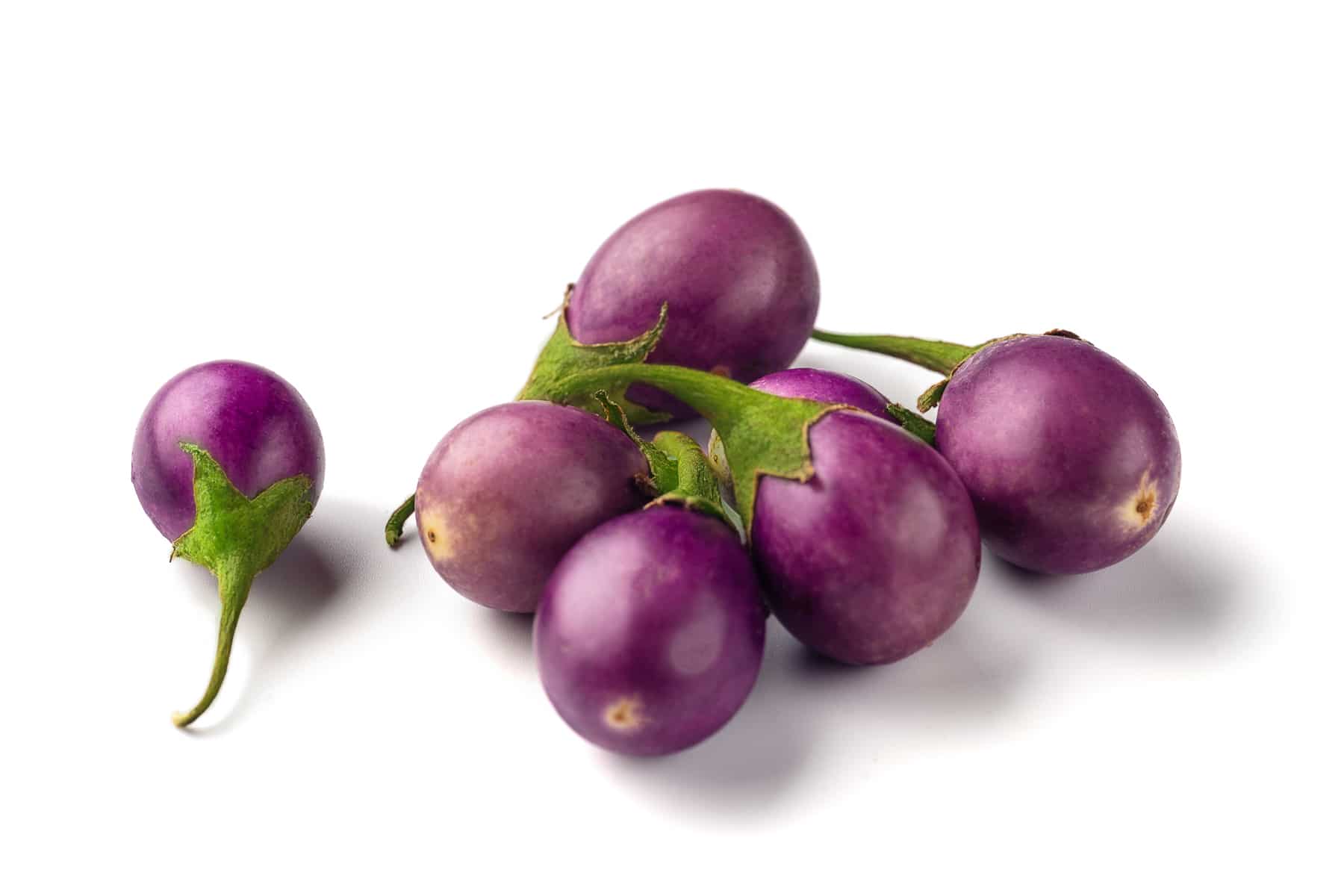
Eggplants are heavy feeders but grow well in pots when they are put in full sun (they love heat) and given regular watering.
Light Needs: Full Sun
Water Needs: Water very regularly.
Pot Depth: 8-9″
Kale
Kale does very well growing in pots, and just 3-4 plants can provide you with a bountiful weekly harvest.
Light Needs: Full Sun
Water Needs: Don’t let the soil dry out.
Pot Depth: 5″ or so (use a pot that is wide but shallow)
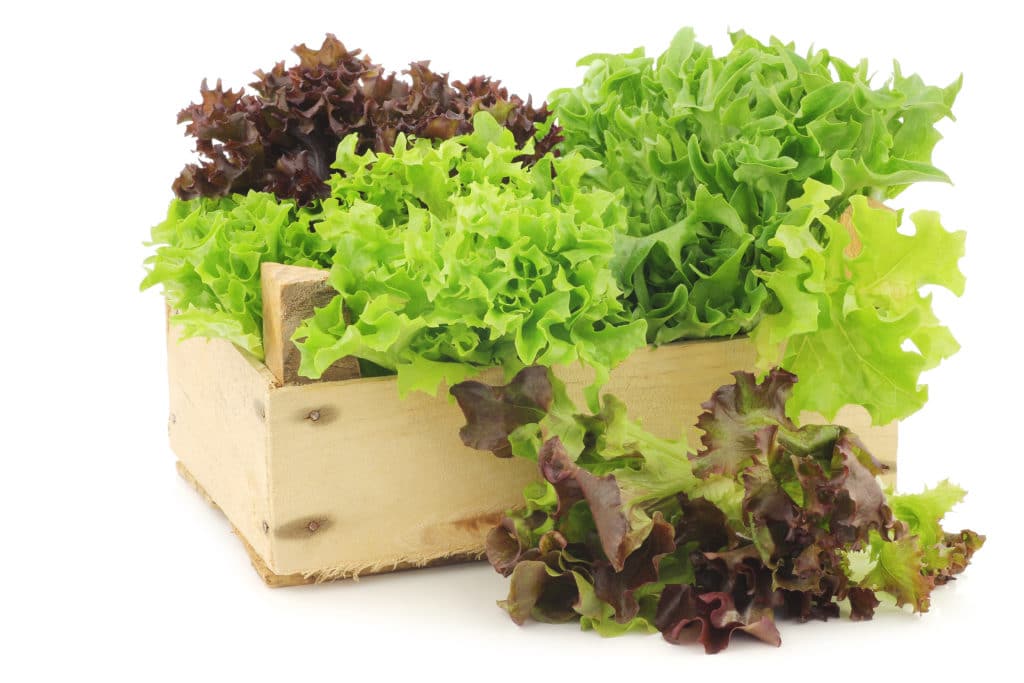
Lettuce
Generally speaking, all the salad greens grow well in pots. Lettuce grows quickly and does well in containers. It prefers cool weather, so grow lettuce in the winter if you live in a warm climate. If you live in a colder climate, grow in the spring before it gets hot.
Light Needs: Full sun to part shade
Water Needs: Soil needs to stay moist
Pot Depth: 6″ deep is enough (but make sure it’s wide)
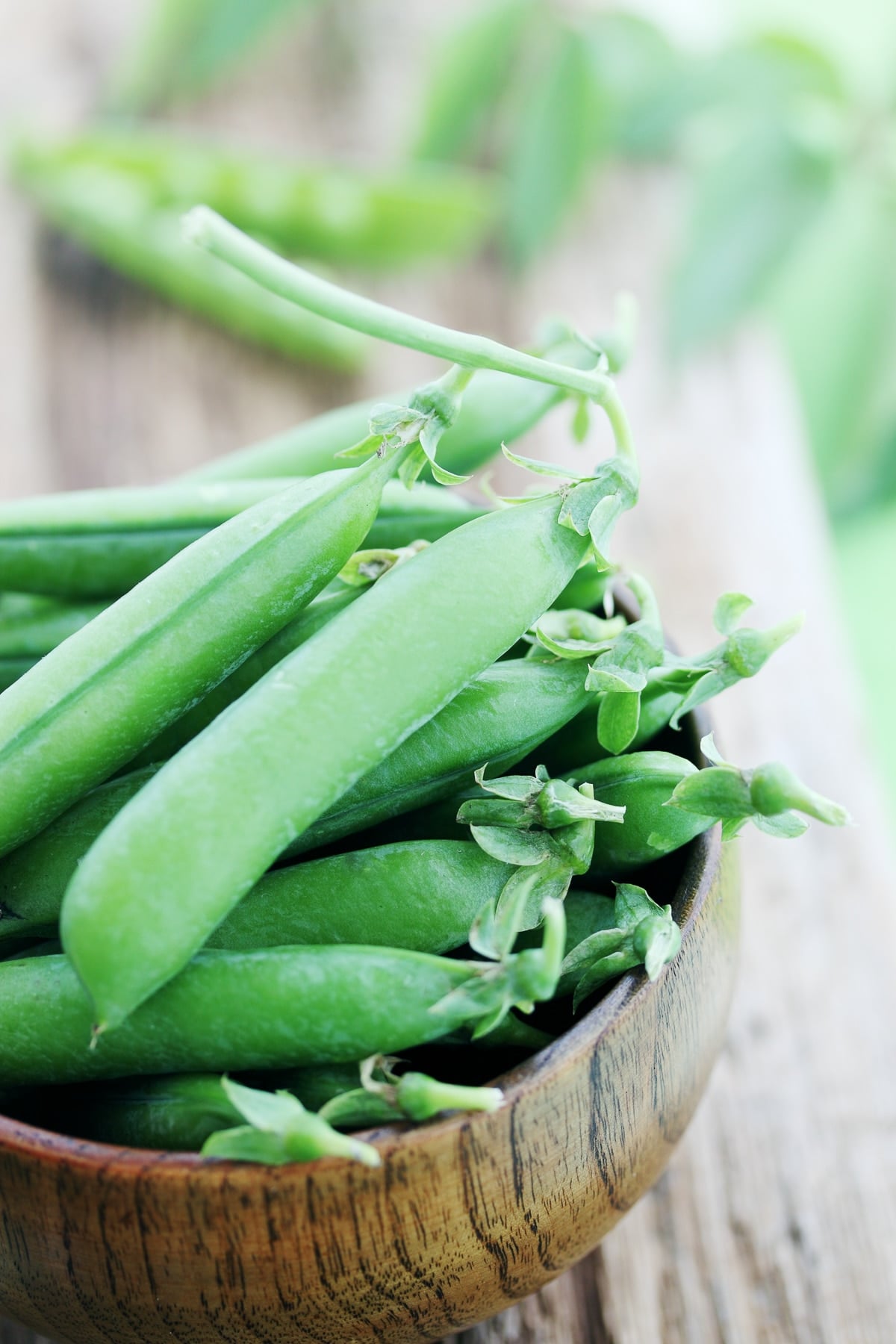
Peas
Peas don’t need a large pot, and they thrive in moderate conditions, making them an ideal vegetable to grow in pots. They can grow anywhere, but provide a trellis as they like to climb.
Light Needs: Full sun
Water Needs: Keep soil slightly moist
Pot Depth: 6-7″
See our full detailed post on how to grow fresh peas in pots indoors.
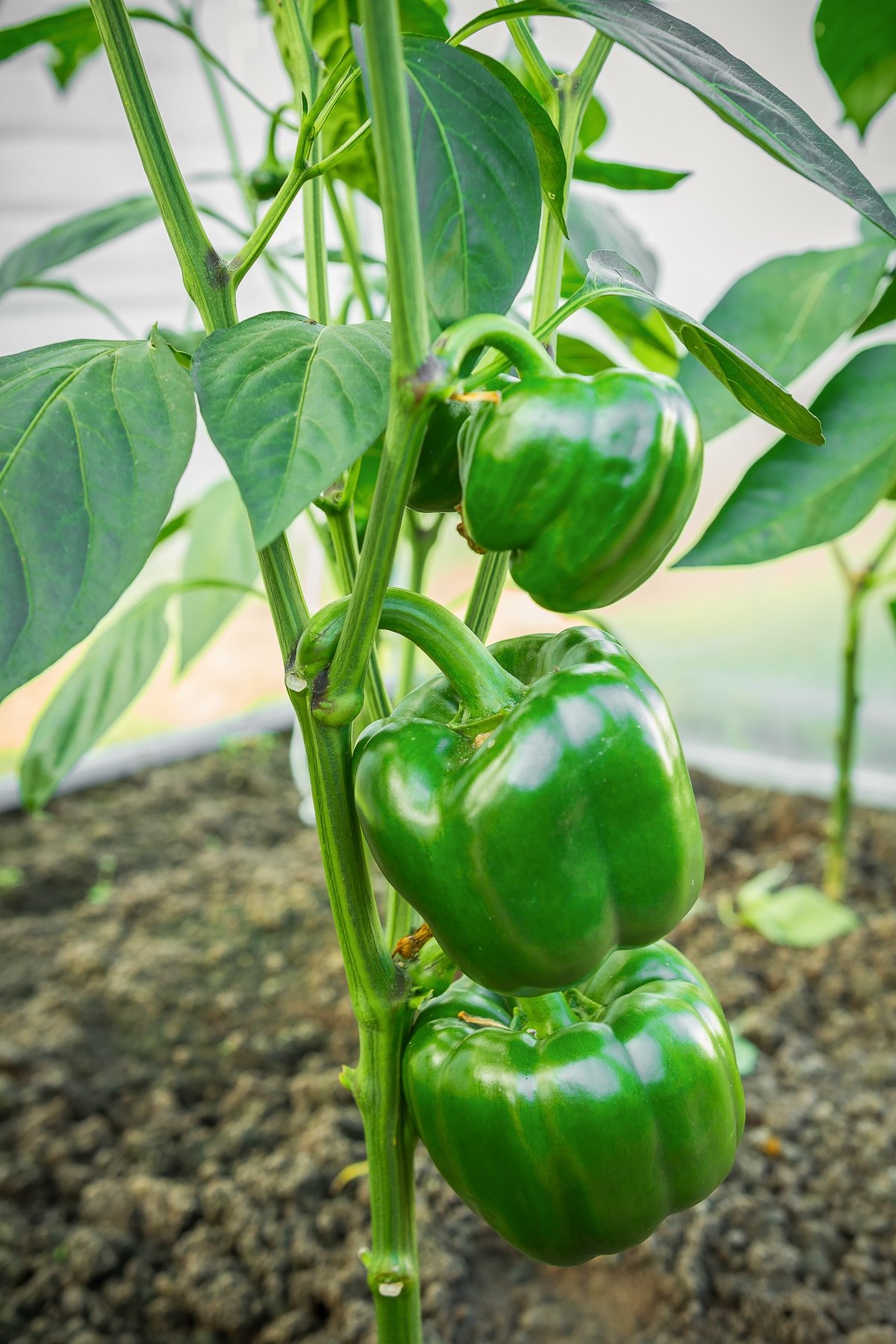
Peppers
Peppers (sweet peppers and hot peppers, alike) are prolific and do well grown in pots when placed in full sun. They thrive on heat, and bell peppers need a little support for the branches once several peppers start appearing.
Light Needs: Full sun
Water Needs: Regular watering is needed. Don’t let the soil get dry.
Pot Depth: at least 12″
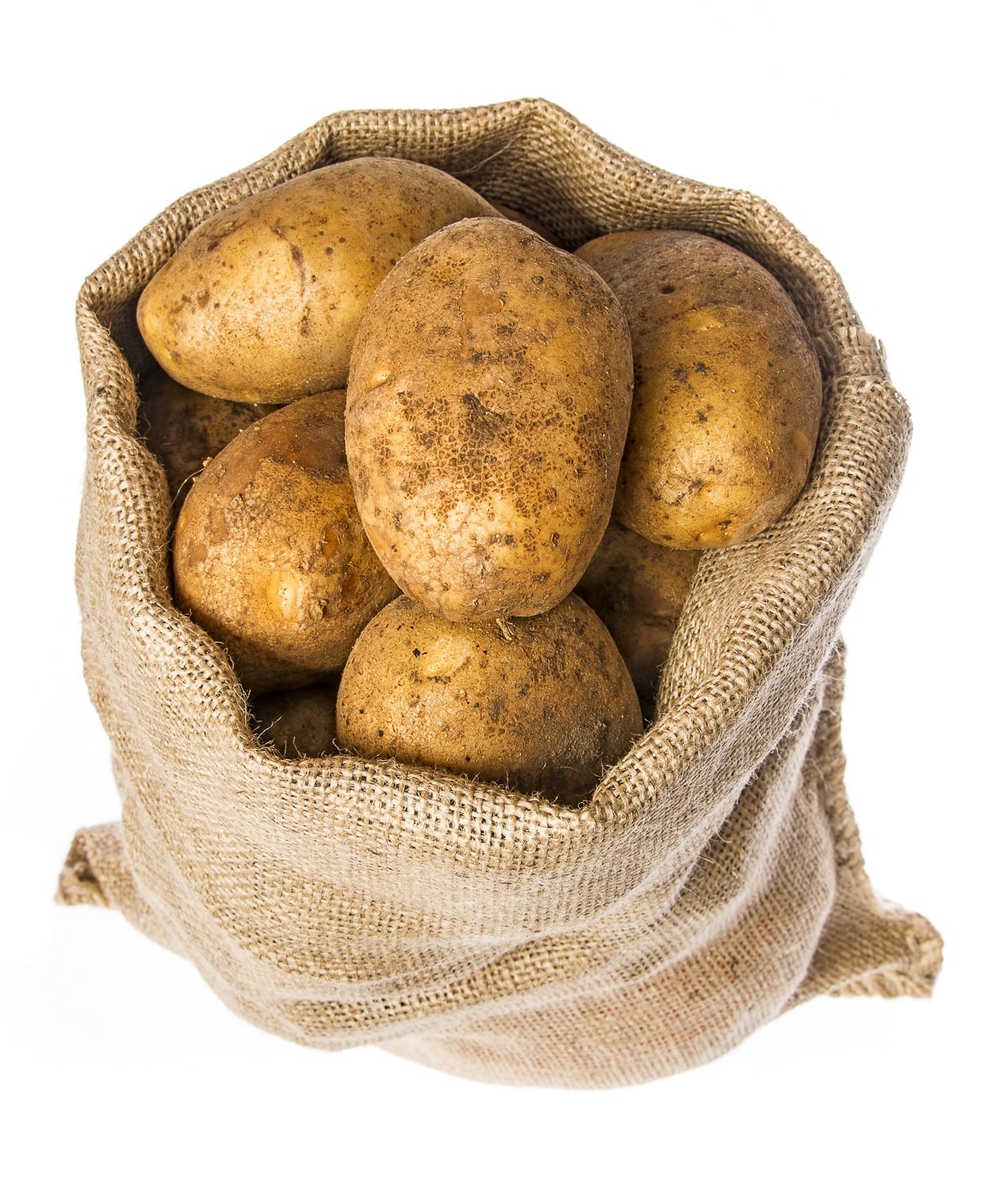
Potatoes
This one might surprise you at first, but potatoes thrive in pots. You can realistically expect to harvest 1-2 pounds of potatoes per bucket per week, so you may only need to plant a bucket or two per season.
I only plant my potatoes in pots because our region has potato scabs. Planting in fresh dirt in buckets every year guarantees me blemish-free potatoes. It’s also highly satisfying to tip a bucket into the wheelbarrow and pick my potatoes out of the soil.
Light Needs: Full sun
Water Needs: Keep moist but drill holes in the bottom of your container to allow proper drainage.
Pot Depth: 5-gallon buckets are ideal
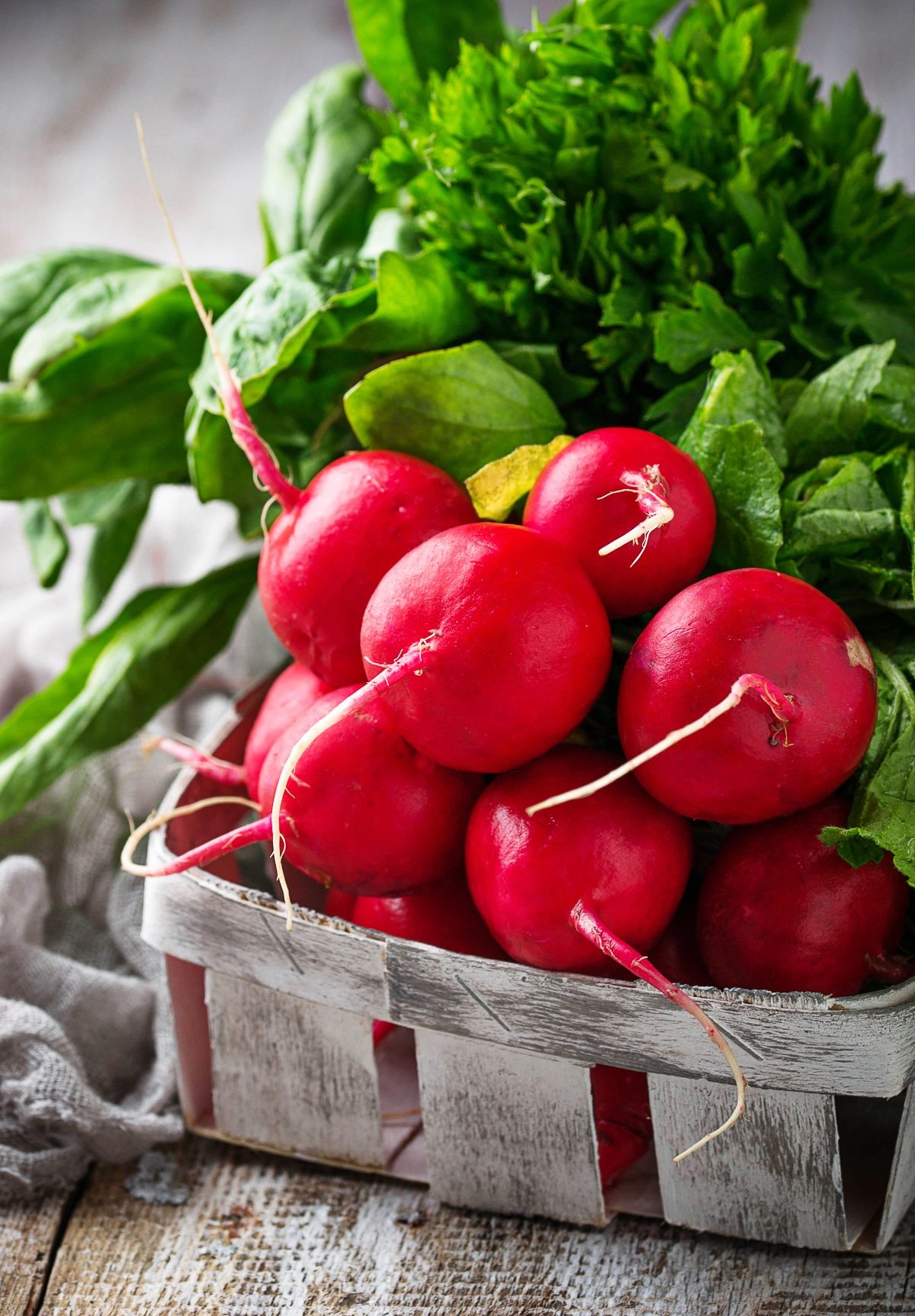
Radishes
Radishes proliferate and make terrific vegetables to grow in pots.
Light Needs: Full sun to part shade
Water Needs: Don’t let the soil dry out.
Pot Depth: 6″ is enough for most varieties; 8-10″ is ideal for larger types.
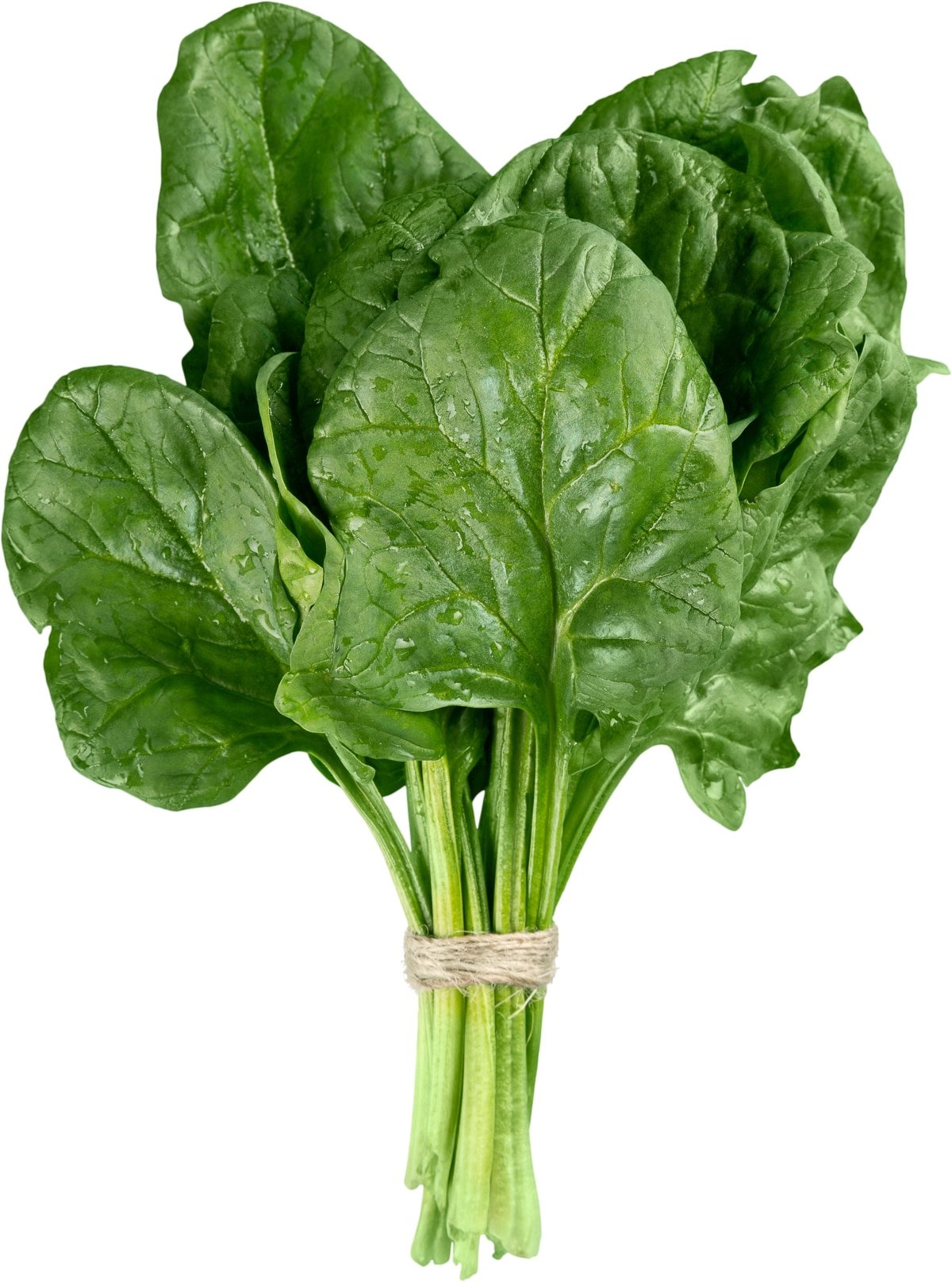
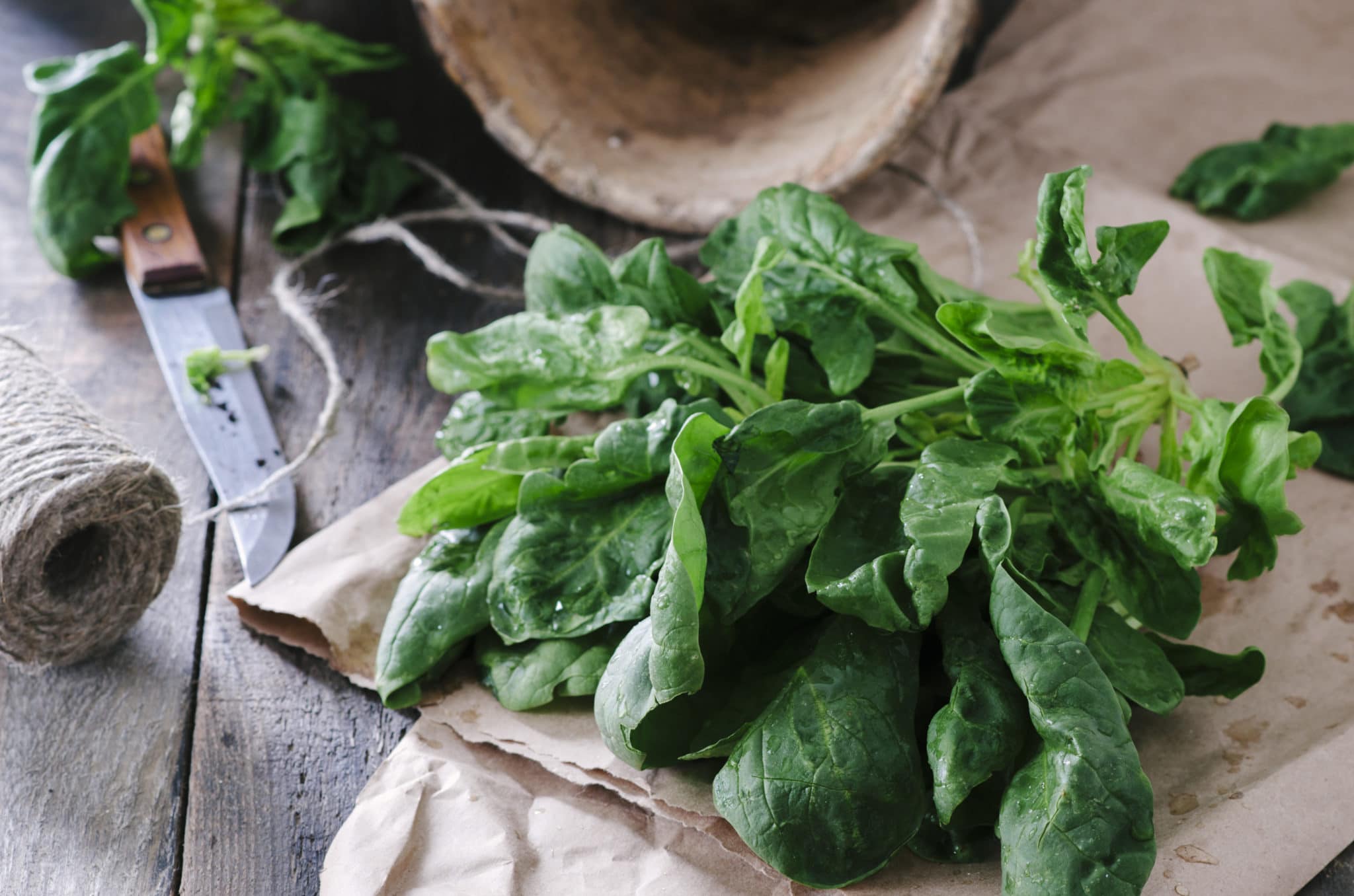
Spinach
Spinach is a great vegetable to grow in pots and adapts well to containers as long as the pot is wider than deep.
Light Needs: Full sun to partial shade
Water Needs: Don’t let the soil dry out.
Pot Depth: 6-8″ (use a pot that’s more wide than deep)
Squash
Squash love heat and grow well growing in pots. They also grow well on patios, balconies, and rooftops. For vine squash (yellow squash, spaghetti squash, etc.) provide a trellis, arch, or something that the vine can grow along. You can also grow small pumpkins like jack spray or baby pams.
Light Needs: Full Sun
Water Needs: Don’t let the soil dry out.
Pot Depth: 8-12″
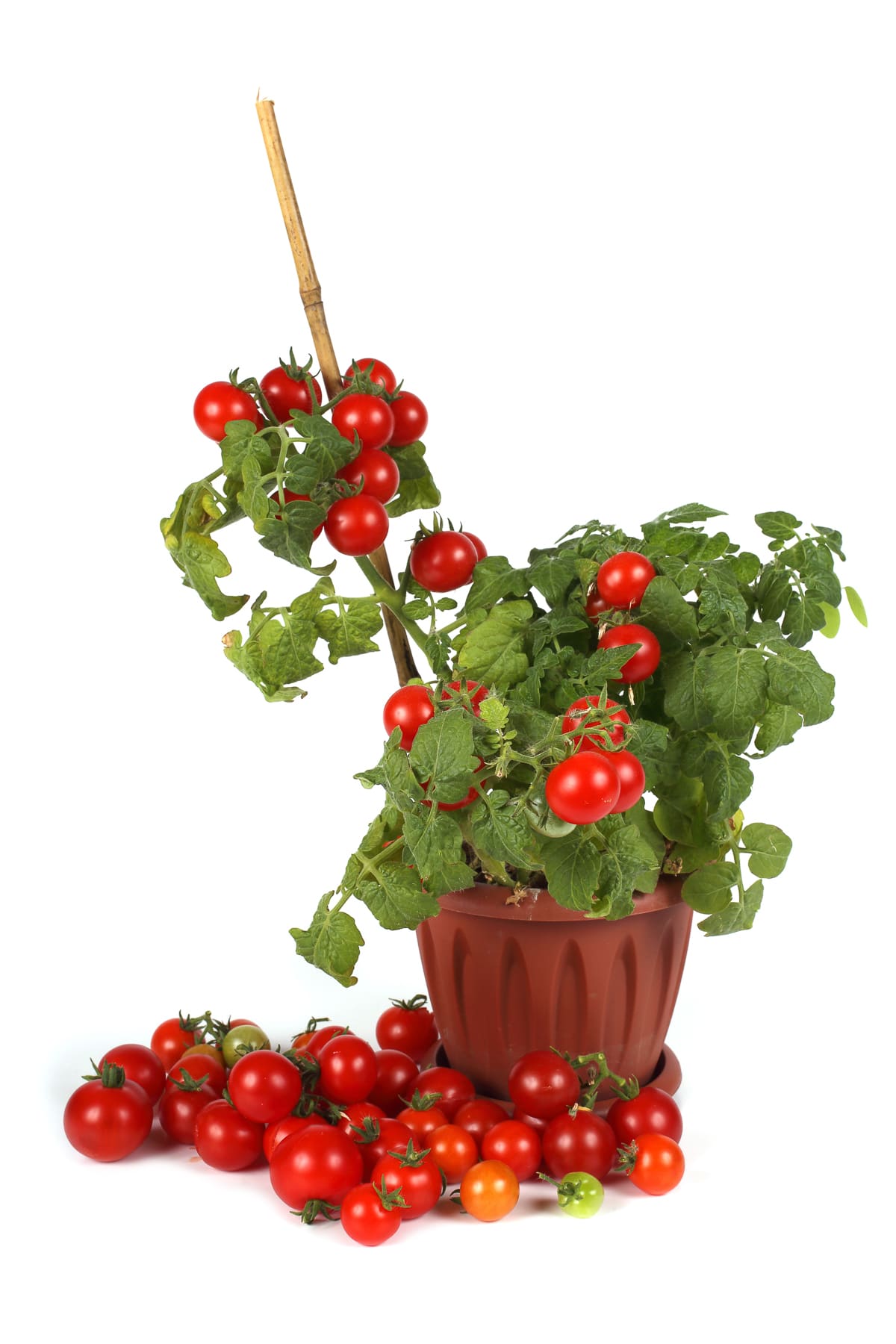
Tomatoes
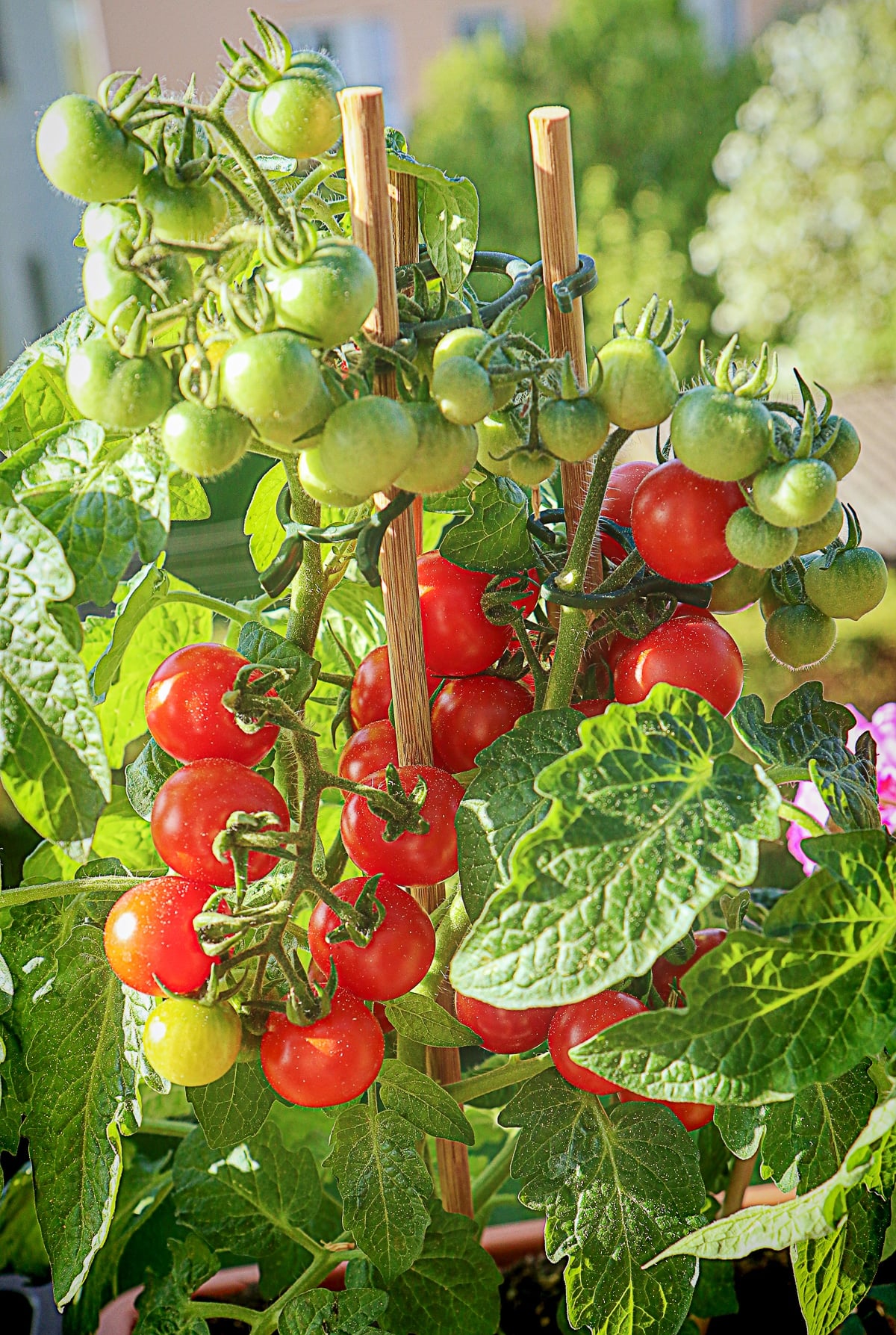
Tomatoes are well known for growing well in containers. Use a large container to handle the weight of the plant, and make sure to provide some support as tomatoes will bend (and can break) the branches of their plants without proper help. When choosing tomato plants buy bush varieties. Or if you’re planting in baskets plant cherry tomatoes.
Light Needs: Full Sun
Water Needs: Water regularly, never letting the soil dry out.
Pot Depth: 8-10″
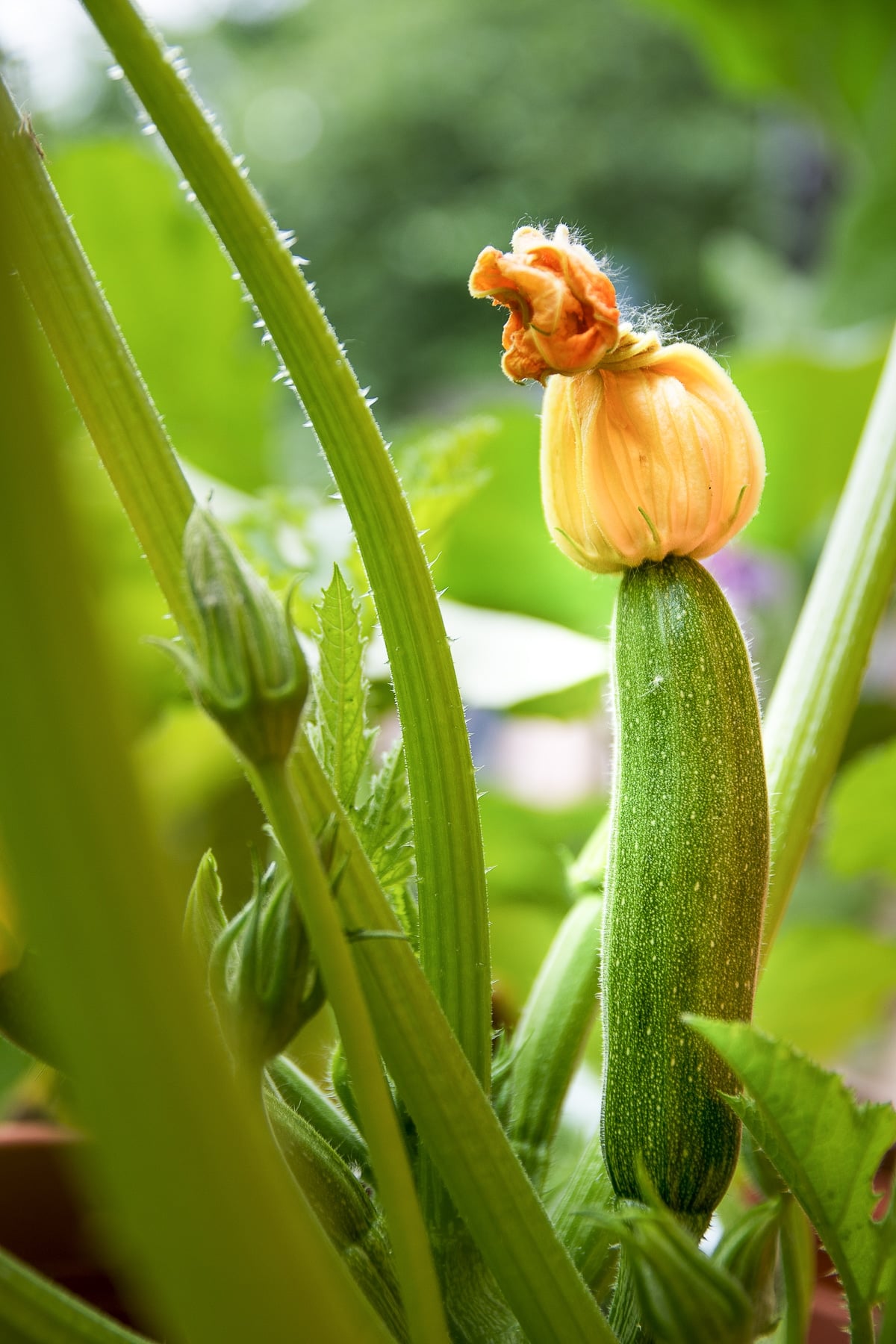
Zucchini
Zucchini love the heat and sun, and they will do well growing in pots. They also grow well on patios, balconies, and rooftops – zucchini are prolific producers.
Light Needs: Full Sun
Water Needs: Don’t let the soil dry out.
Pot Depth: 8-12″
More Gardening Inspiration:


Final Thoughts
Container vegetable gardening makes it easy to enjoy fresh, homegrown produce no matter where you live. Whether it’s a sunny balcony, a small patio, or even your front steps, a bountiful harvest is just a few pots away. Start simple, get creative, and watch your little garden thrive! Share your container garden adventures with us—tag us on social and let’s celebrate the joy of growing together!

Author: Laura Kennedy
Writer & Owner of Little Yellow Wheelbarrow
Laura is a highly skilled gardener and fervent flower enthusiast. Despite her playful battle with plant spacing guidelines, Laura’s work inspires gardeners to create thriving, beautiful spaces that reflect both creativity and sustainability.
Editor’s note: This post was originally published on April 27, 2020. It was updated on November 11, 2024 to improve formatting and readability.
Can you plant broccoli in pots. I have a standing planter and would love to plant broccoli this fall.
Hi Carol, you can, but you are looking at planting only plant per pot really as they need a decent amount of space. But, brocolli will grow well in pots so long as they get enough water and fertilizer through the season.
Thank you for these ideas, my wife and I have bad knees and this will help so much. Blessings to you Ed
Hi Ed, I am so happy you found the information you found helpful, and thank you so much for leaving such a thoughtful comment. I wish you the absolute best of success with your container garden!